Slice raw
Wash and serve slices with a dip or in a salad.
FREE FOOD GUIDE · VEGETABLES
Sweet peppers can be eaten raw or cooked and bring colour and vitamin C to meals.

In your kitchen
Wash and serve slices with a dip or in a salad.
Roast pieces with other vegetables.
Use fresh or frozen sliced pepper in a stir-fry or sauce.
Fill pepper halves with cooked rice and beans, then bake until tender and hot throughout.
Nutrients in a portion
Explore some of the nutrients in this example.
Approx. 252% of 40 mg per day.
Helps protect cells and supports absorption of iron from plant foods.
Read the nutrient guideApprox. 6% of 30 g population-average goal per day.
Supports digestion and contributes towards the adult daily fibre goal.
Read the nutrient guideApprox. 30% of 200 µg per day.
A B vitamin that helps the body make healthy red blood cells.
Read the nutrient guideFibre supports digestive health. Build up gradually and drink enough fluid unless advised otherwise.
Example: 80 g of pepper, capsicum, red, raw. Calculated from UK CoFID 2021, food code 13-524; values vary by product, growing conditions and preparation. Percentages are approximate UK adult population-reference comparisons, not personalised advice or food-label values. Needs differ in pregnancy, breastfeeding and some medical conditions. Women still having periods after age 50 may need the higher iron reference.
From ingredient to meal
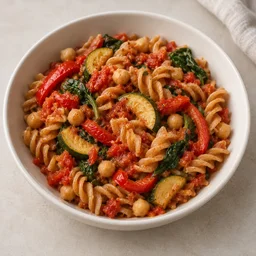
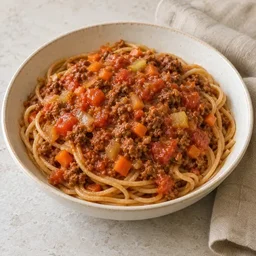
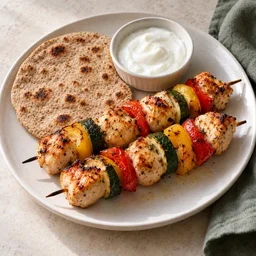
27 recipes in the Golden Fuel member collection. Matches can include optional ingredients.
Keep fresh peppers refrigerated. Freeze or store prepared peppers according to the pack.
Browse the full Food Guide A–Z